The Author Pics

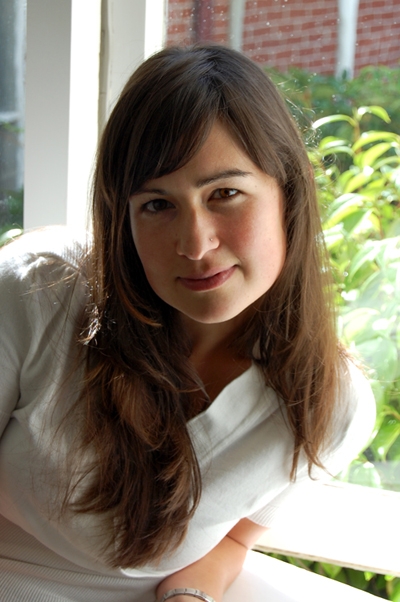
2009

Share house in Brooklyn, Wellington.

Wry smile

slightly open window

poetic lean

baby face.

Photo credit: David Peters.


2013

A park in Wellington.

My favourite vintage dress

embracing the glasses

looking optimistically

out towards the future.

Photo credit: David Peters.


2016 & 2021

Melbourne backyard with compulsory brick wall.

Middle parting

best dress.

Photo credit: Richard Wise.


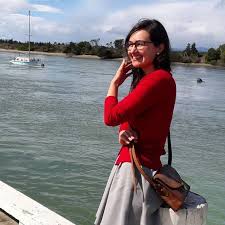
2017

Mapua, NZ.

Not intended to be an author photo, just a nice pic my mum took when I was visiting.

Red cardy was hers.

Photo credit: Jan Marsh.


2025

At our house.

World-weary smile

just one of many things

that needed

to be done that day.

Photo credit: Jason Strachan.


The Covers

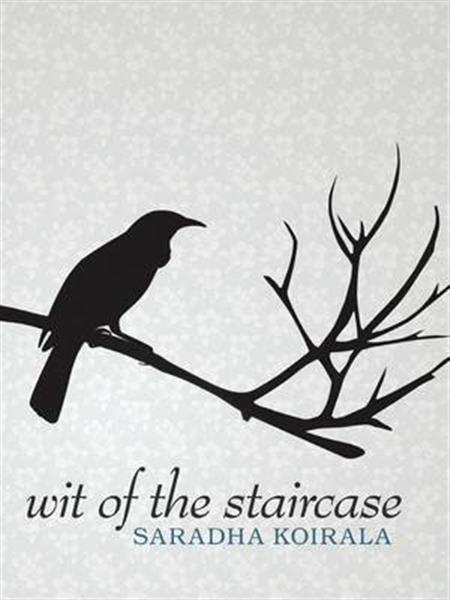
Wit of the Staircase (Steele Roberts, 2009)

I still love this cover although I remember seeing it for the first time in print and thinking how grey it looked, my expectations having grown so huge I imagined my first published book would glow with an indefinable aura of absolute pride; sparkle with a sense of accomplishment. The cover image is a shadow of a tūī on a branch gently spotlit with pale floral wallpaper behind.


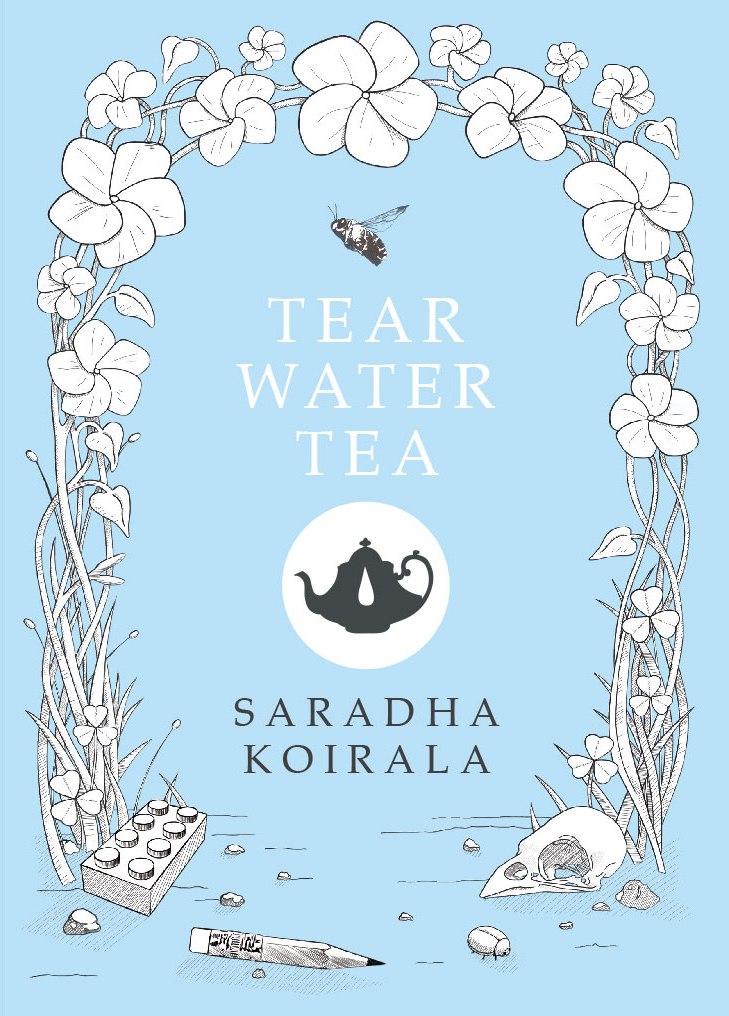
Tear Water Tea (Steele Roberts, 2013)

This one was painstakingly hand-drawn by David Peters and captures some of the images from the collection. The stubby pencil is a nod to the title reference – a story about all the sad little things that make Owl cry. Read it to your kids. The tradition of my name in serif caps begins here and I love the pale blue. This cover has been described as very feminine which seems fair and appropriate even if intended as a slight.


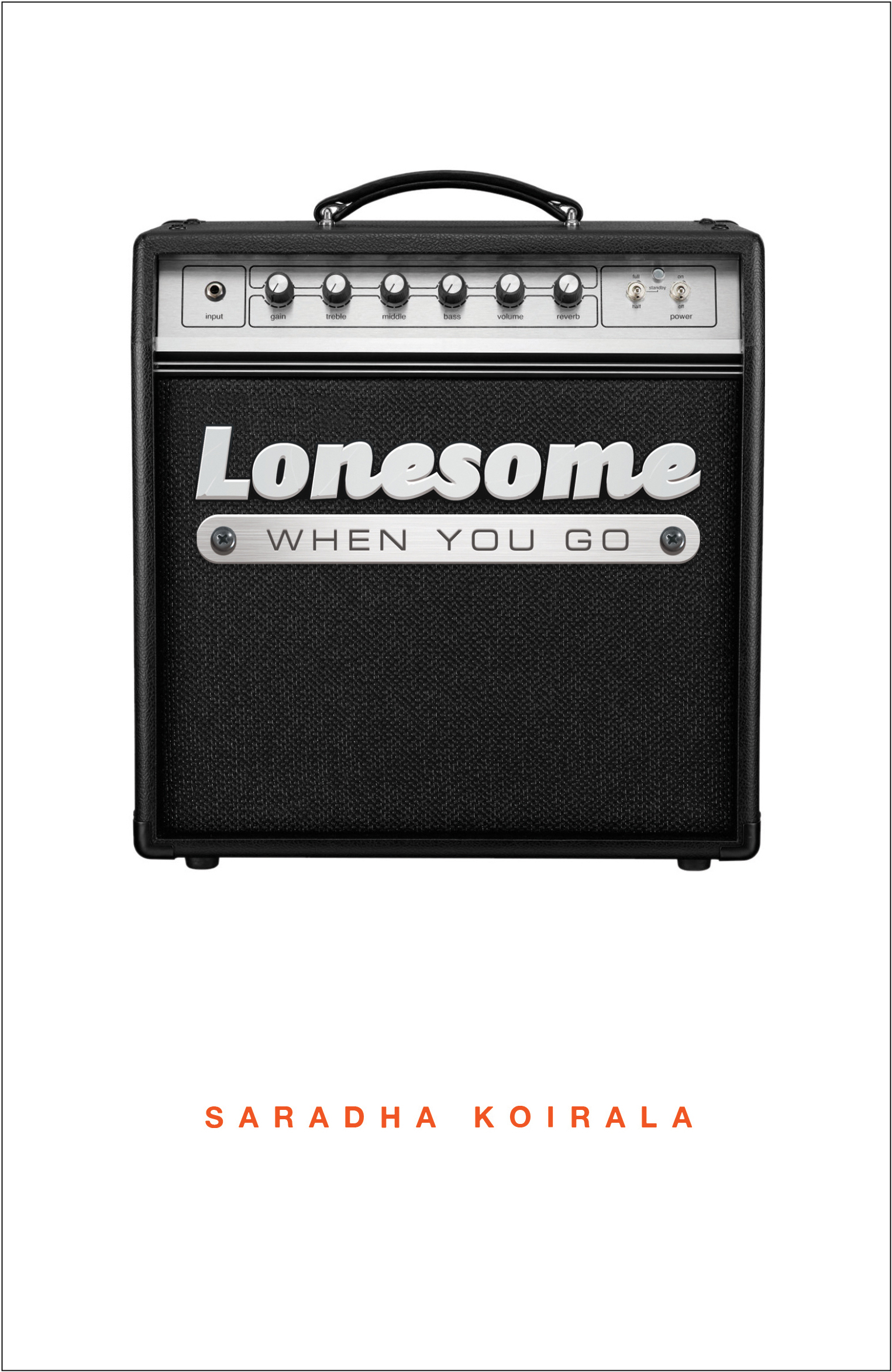
Lonesome When You Go (Mākaro Press, 2016)

A deviation from poetry and a deviation from my serify name. This cover was also designed by David Peters, initially as a little place holder as I eagerly promoted my novel but then commissioned by Mākaro Press. I love the amp and the title so much but my ego now wants my name in a larger font. The white background has been criticised as being a bit stark for the lively content but it’s intriguing, don’t you think?


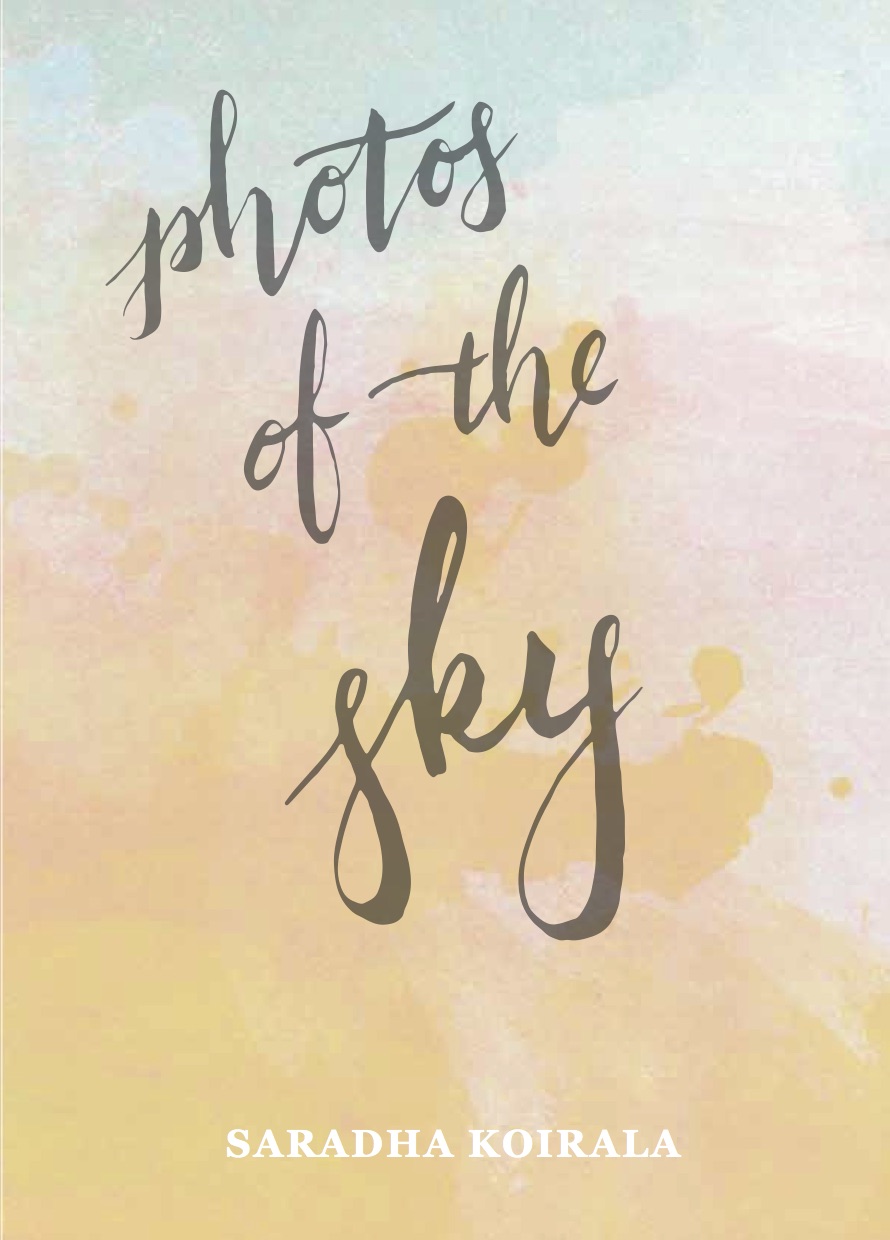
Photos of the Sky (The Cuba Press, 2017)

This beautiful cover was hand-painted by Sarah Bolland of The Cuba Press after much pestering from me. I’m lucky to have had so much creative input into my covers given my inability to articulate my aesthetic desires. I changed the title of the collection a few times too which I’m sure is a publisher’s dream. The title is so beautifully scribed here which I think captures the floaty, heart-on-sleeve nature of the work inside.


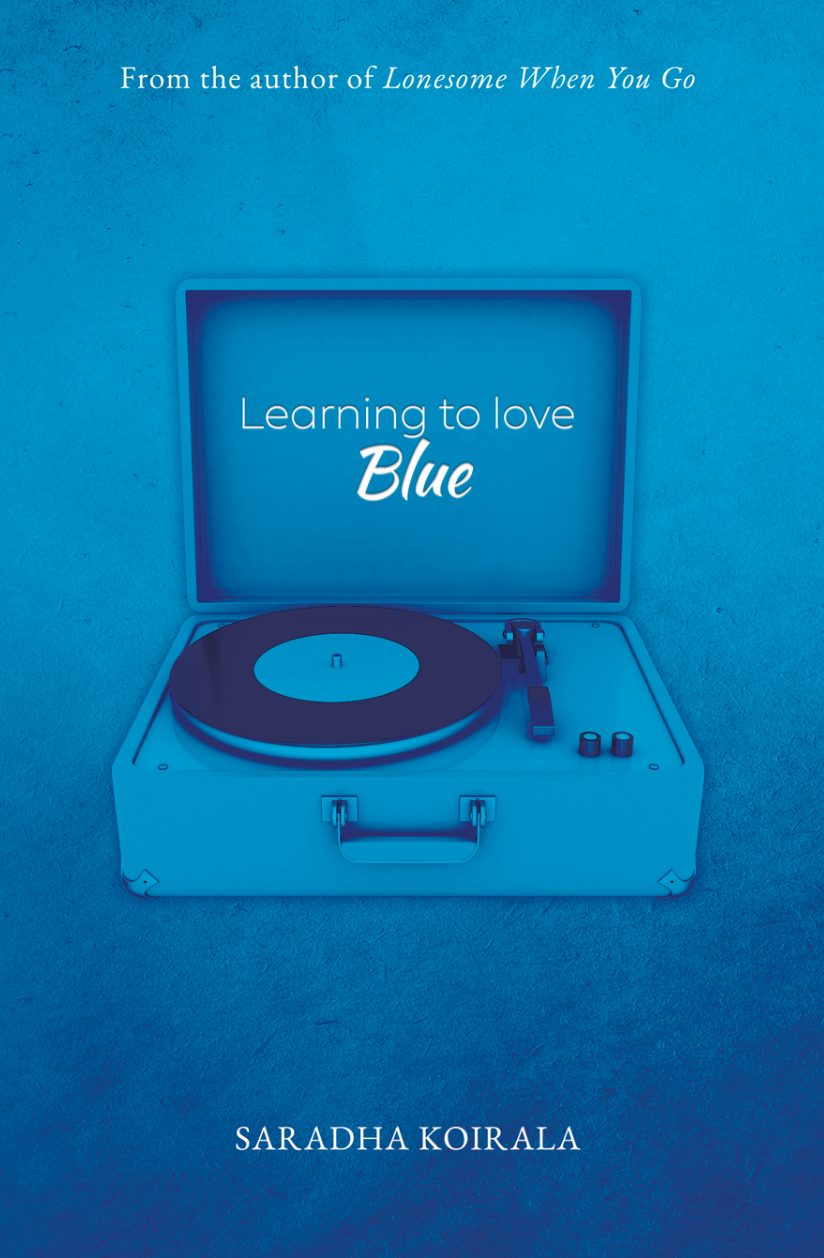
Learning to love Blue (Record Press, 2021)

This is the one cover I would probably change and actually could given that it was my idea in the first place. The blue-scale is a nod to the album Blue by Joni Mitchell and the single object floating in space a link to its predecessor Lonesome When You Go, although it has been said that they don’t really look like a pair. I would crank up the font size on the title, but in real life it actually looks quite good. It has a soft matte finish which makes it nice to hold.


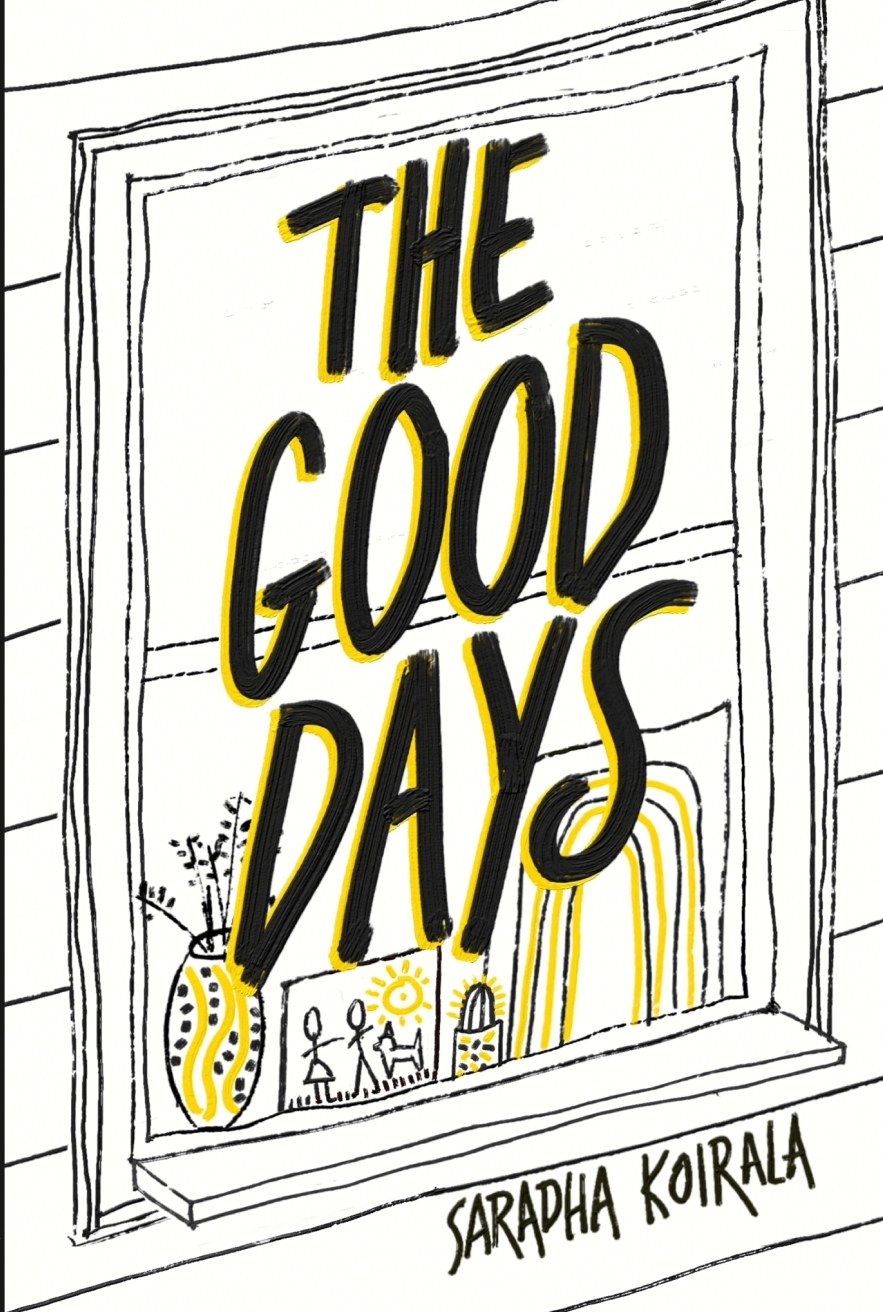
The Good Days (Both Sides Books, 2025)

100% my favourite cover. Designed and drawn by my talented husband with reference to our kids and lockdown days. The yellow is as yellow as yellow can be and the inside cover is too.

Just as my poetry reflects the time and self at each stage, so too do the covers as they become bolder and more sure of themselves, their booky arms open wide.


Stay tuned for my next post: The Profile Pictures!

The Magic

Spring, 2024

If I had looked at the forecast, I would have known there was a storm coming, but I could never have predicted its magic. At the end of the weekend, the sky crashing, flashing alight blue, pink, orange over and over. The closest thing to fireworks the four-year-old had ever seen. ‘Nature’s fireworks,’ I almost said, but decided to leave the noise-making to the world outside the darkened room for once, an inversion of the usual chaos of dinner and bedtime. We stood close, still, looking out to the west in astonishment at the intensity, the electricity of plain air.

The days leading up to the storm had been windy, sure, but not unbearable. Good laundry days, I called them. The onesies and tulle dresses billowed out then defied their own pegs. Tiny socks spread themselves about the garden, but at least it all dried. And a good laundry day is a good kite flying day.

We stuffed the nine-dollar Kmart kite into a pannier, rainbow tail flapping eagerly, and rode down to the reserve to set it free, let it tug us gently, let it let us tug it gently back.

The kids got bored long before I did —  ran to the playground with their dad — so I took the reins, allowing the kite to swoop and loop, watching it try to arc gracefully through the ground and falling short. Each crash my cue to wind the string up, haul it back in, but before I could pack it down completely the wind would grab it again and off it went, off I went letting out its lead with a click click click of the wrist. Our dance of pull and release. Every time: a crash, a gather, a gust, a yield.

At one point the wind blew hair across my face and when I cleared my view I thought the kite was a heart. Not the squashy bulging forms my daughter has learnt to draw on birthday cards, but a proper anatomically correct blood pumping organ. My own old blood pumper flying as free as one can when they’re tethered to the ground by the comforting weight of family, the constant calling of Mummy Mummy Mummy.

Or was it my own child pulling the cord to come, come but asking me to stay? Let out more string, it seemed to say, long enough to let me dance in the high air you’ll never reach but don’t let me go. Either way the kite remained at the mercy of my flicking wrist and the wind itself, until it was us — my kite-heart-child and I — co-conspirators putting the wind to task, daring it, forcing it to keep us aloft. The thunderstorm not yet visible on the horizon. The magic still to come.

The small one loves ducks so much we set off early and head to the creek

but we’ve never been to this creek before.
Rain wasn’t forecast and I tell that to the sky as it darkens and clouds and of course
pours all over us.

I keep checking the forecast and the sky and not quite understanding 
why the information doesn’t match
I’m cold and wet, but Finch loves the rain

I ask if he still wants to go see ducks
and of course he does, why wouldn’t he. We hide under trees wherever we can and he’s safe in the pram and mostly sheltered, but his little hands are freezing.

We see two ducks from under our tree by the side of the creek and I pull him from his pram and lift him to see and make sure the whole business was worth it
of course it was.

It’s always worth it when Finch has something new to talk about.
The rain gets worse before it eases, just like everything and I tell myself this
is an adventure, if you like rainbows you gotta put up with a bit of rain, but of course there are no rainbows

Just the rain followed by no more rain.

We head to a cafe and I get tea and he gets a marshmallow
and we share fruit toast and he smiles and laughs at everyone and I hold his cold hands
one by one in mine until they’ve thawed a bit and when it’s time to go he wants to go to a playground, so we do.

And how lovely to be so small but so in control of the day, the one day a fortnight we have together so of course I say yes to everything.

Like when we get home and he asks for pizza so I make him a little pizza for lunch
and he pulls the topping off slice after slice so he’s really just eating cheese and again
it’s all worth it.

Except at nap time he cries about having to get into his bed, even though he rolls around happily in there and then falls asleep for an hour and a half and it’s enough time for me
to sit in the sun because the sun’s really and truly out now 

and the washing probably will dry after all even though it got rained all over while we were out and I have enough time to do a bit of marking and check my emails and then write all this down. 

And maybe I don’t need a rainbow to reassure me every time, reassure me everything’s going to be fine
because of course, of course, of course it will be.

Debrief

Our eldest has just turned five, which marks half a decade of my partner and I discussing parenting every single day.

It started out as a sleep puzzle to solve. We would wake each morning and assess the quality of sleep, the night’s ups and downs and describe to each other the exact routine we went through at bedtime – how many pats did we give her, how loud was the shushing, how did you extract your arm slowly and gently enough not to wake her when you placed her in her bed and what gentle dance did you create to exit the room without setting off that one sneaky creaky floor board? 

Every morning we debriefed and every evening we tweaked the sleep dance accordingly. An art, a science, nothing left to chance and hope. We believe it worked and by 8 months old our very shouty, very sleep-resistant baby was sleeping 10 uninterrupted hours a night. I know this so precisely because it felt monumental at the time. One of our greatest achievements.

Five years later, we no longer talk about sleep — both the five year old and the two year old chat themselves to sleep and only wake in the morning when we open their curtains — but we still   debrief the day.

We discuss the things we were proud of and the things we were not so proud of, things we saw other parents doing and how impressive it was or strange it was, why we should try and do that in our family or why we would never. We think we parent very deliberately and it is often very tiring to talk about. 

But I’m aware our deliberate parenting style might look like quite the opposite from the outside. Instead of putting things in front of our kids and showing them how to use them, or jumping in when we overhear a voice getting raised or offering help before it’s asked for, we really want our kids to learn to figure things out on their own. Asking questions, rather than always providing answers. Over these intense five years we’ve realised that it’s okay if our kids get frustrated about something and that’s often where the best learning has happened. It’s okay if they express annoyance when something isn’t turning out the way they want it to – isn’t that so much of life?

This morning I helped the small one upstairs to where his sister is and closed the baby gate, explaining clearly that I’m going to have a shower now. The white noise of water calms my brain for a few minutes but when I turn it off Lotus is calling me. I pop my head around the door and ask what’s up. She’s upset because Finch is not listening to her, “I’m the boss of my body and I’m the boss of my room!” Okay, I’ll be there in a sec. 

By the time I dry off and wrap up and head up the stairs, calling out, ‘Are you okay, or do you need some help?’ Lotus has put some toys in Finch’s room for him and is looking him in the eye, calmly saying, ‘Next time can you just say yes or no instead of shouting at me?’ I help him get his diggers out of the cupboard and he asks her to play with him, ‘Yeah!’ she cries, ‘Yeah!’ he repeats. 

They have solved it without me and I couldn’t be more proud. What a gift for their learning and their relationship to sort these things out on their own. And what a gift for me to be given time to write while they happily play upstairs together – some complicated game with blankets and toys and nightlights and important bustling back and forth. I sit on the couch with my laptop and hear them singing happy birthday to a teddy.

Just as I’m really settling into a morning of me time and patting myself on the back for my excellent parenting skills, Lotus screams. Finch is ordered out of her room and when I get there I am too. There are big big tears and I take Finch away while Lotus screeches at the emptying room that she just needs time to herself. Humbled and wishing I had checked in on them sooner, I give Finch a cuddle and prepare snacks for them both. Maybe it’s time we all went for a walk. There’ll be lots to unpack at debrief time.

Summer rain

Our two week holiday ends with rain. Lotus calls it ‘mist rain’ the stubborn drizzly stuff that won’t be moving on until it has emptied the clouds entirely. No wind to push it along, or sun to sizzle it away. It’s been doing this for two days now and it makes me want to go to bed early. So I do. 

But rain highlights some of my best moments in the last two weeks: Jumping into the pool the night before Christmas once the kids are in bed, a gentle thunderstorm rolling past. A sprinkling of rain and a boom or two nearby. The sun goes down as I float lazily and a few bats flap overhead. I wonder if the thunder messes with their echolocation, confuses their navigation. For me it does the opposite and I feel grounded by this very Melbourne phenomenon of a summer thunderstorm. 

It rains all Christmas Day too, but on Boxing Day I strap Finch to the back of the bike and ride ride ride through park after park in the sunshine while he squeals and shouts. I turn briefly to see him pointing at it all, his whole body alert with amazement at trees and people and dogs and cars and just the details of the world really. It makes me laugh out loud. We’re chased back by a proper storm though – thick dark clouds wading through the sky, pushing their way towards home where the washing has already dried in the hot wind of morning. I pedal as fast as I can and I’m the one whooping now, laughing as the big ploppy drops start to fall and loudly reassuring the little guy that we’ll make in time, it’s my mission to get us back inside in time and I do. Buckets upon buckets of rain plummet down and we watch from the safety of the front porch.

There are warm days and cool days and days where nothing much happens, but we’re happy together and what at first felt like a daunting prospect: daycare closed and having to manage the big feelings and big energy of an almost four year old and a just turned one year old, turns to feelings of precious one on one time, making adventures of going to the supermarket together, building duplo towers and going to our favourite playgrounds.

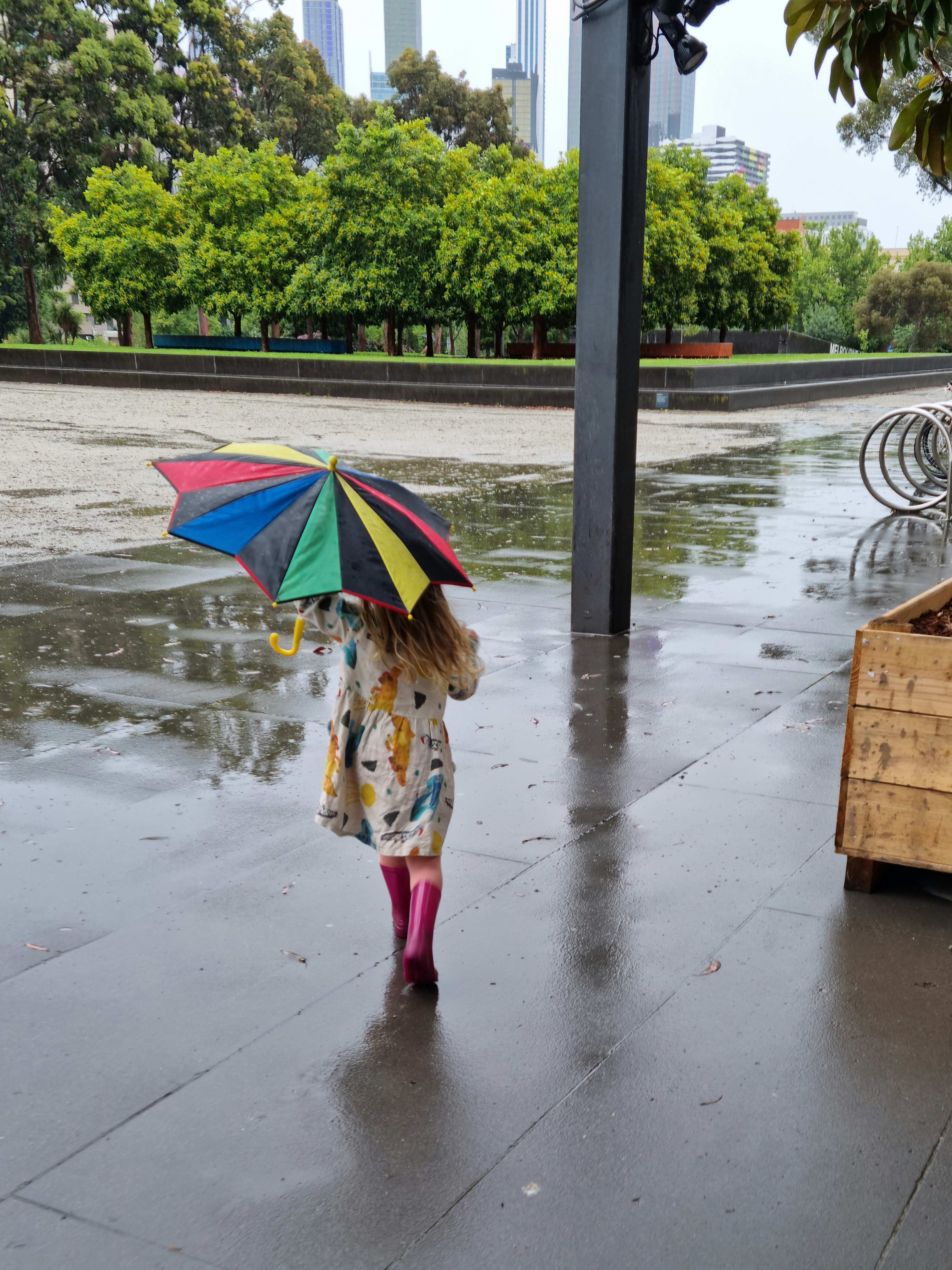
In the last few days we have family visit, bundle ourselves into cars and drive to the museum where Finch again points at all of it with curiosity and astonishment, confusion and concern. There are dinosaur bones and bugs and giant crystals found within unassuming rocks. Lotus is fascinated by it all and I wonder if I’ve ever seen her so excited, engaged with everything, asking questions, pushing all the buttons. She’s wearing her gumboots so on the way to dinner, with our colourful umbrellas above, she finds the best puddles and stomps stomps stomps. Gutters run like rivers and her small hand is warm as she tugs me to the next big splash.

Today the sun is out. We’re up early and ready to go quicker than we ever have been. All of us on the bikes, but the ride to daycare is less than five minutes. Lotus is in the four year old kinder room now, meeting up with her friends and making new ones. Finch spends one hour getting used to the nursery where he will be three days a week. 

Last night in bed the drizzling rain reminded me of home, of other homes I’ve had where it rains depressingly often. The thought of these wonderful little people – loud and brave, curious and intense – going out into the world had me in mist tears, tears that won’t be moving on until they’ve emptied me out. But right now the sun is shining and we have stories to tell our friends.

Parenting is…

… 60% laundry, 10% a niggling feeling that you should be doing laundry. It’s waking up after two hours of sleep ready to get into the day or waking up after six hours wondering how you’re going to zombie yourself through the morning routine. It’s somehow managing to get through regardless. 

Parenting is laughing along with your three year old’s shenanigans – pyjama top half off or feet kicking away the socks you’re trying to help put on until it’s suddenly just not funny come on now we have to go. It’s a tiny hand in yours as you walk around the block marvelling at the bees in the weeds or a small piece of rubbish that sparkles in the sunlight. It’s that same little hand breaking free from you to fix a slouching sock when you’re in the middle of crossing a road. 

Parenting is back pain. Sometimes from lifting and rocking and patting and shooshing and jiggling, sometimes from being climbed on like a horse or scaled like a mountain or just from waking up huddled and scrunched. 

Parenting is a small collection of rocks at the bottom of a school bag, a handful of leaves carried faithfully then discreetly discarded, it’s a pocket full of things you’ve picked up off the bedroom floor intending to put in the bin at some point. It’s an assortment of sticks around the house that look like letters or dinosaur bones.

Parenting is finding a moment to go to the loo and on the way clearing dishes from the table, while I’m here I’d better sweep those crumbs up, take that discarded sock to the laundry – should I be doing laundry today? Checking the weather on your phone and reading three new messages before remembering you really need to pee as someone calls you to their own urgency. 

Parenting is a series of urgencies.

Parenting is a pattern of rushing chaos followed by eery calm. Moments of never having enough time interspersed with moments when everyone is finally asleep and you’re not sure what to do with yourself. Parenting is sometimes just not knowing what to do with yourself when you’re finally and briefly alone.

Parenting is calling your own parents to describe the quirks and frustrations of the stage you’re enduring – the explosions of emotion, refusals of certain foods, usually green – and being told I remember it well, unable to decipher the tone as wistful, empathetic, regretful or… vengeful?

Parenting is simultaneously looking forward to the next stage while scrolling through google’s remember this day? photos whispering to yourself, yes! How was that three years ago? or no, no, no, I don’t remember that day at all. It’s an exercise in letting go, farewelling each phase of the small person as they change before your eyes the way the sun sets just slowly enough to make the clouds pink around the edges, both brighter and darker at the same time. 

Parenting is watching a sunset and knowing you still have a whole night of maybe sleeping, maybe waking to get through before it will rise again. Perhaps the morning will be pink too or foggy with condensation and sleep deprivation, or perhaps the sun will rise above the clouds and stream down like divinity on the clothes line and tomorrow will in fact be an excellent day for laundry.

Resolve

From the too early to ask but wanting to know
to the shared wanting to the trying to the monthly red stain no.

From the blood tests and food shifts
to the caffeine withdrawal and supplements

from the trying some more to the relief and amazement
to the dancing in the living room joy.

From the tired to the queasy to the secret until 
safe to tell for the congratulations.

From the swelling to the scans the nervous to the healthy
other parents’ stories from the horror to the perfect.

From the haemorrhoids that passed to the ones that bled
through maternity dress on the morning train. 

From the slow slow walk to the tired tired tired
from the phone scroll waiting to the waters breaking

from the induction to the horse breath waves 
of squeeze and release to the remember your horse breath

the pushing and crying the holding and feeding
from the crying and the crying and crying.

From the leaking to the feeding the pooping the leaking
the waking and waking to the crying some more.

From the pain to the fever hot red rocks of infection
to the antibiotics to the happening again.

From the lockdowns the masks to the walks but not sitting
the curfews the radius the zooming the slowing down.

From the packing and moving to the solving and solving 
from the sickness to the steps to new words and daycare.

From the washing to the laundry the soaking and drying 
to the nappies the laundry the food on the floor.

From the potty to the wetting the frustration the refusing
from the anxiety to the getting it but the anxiety still there.

From the wanting only mummy to the not wanting mummy 
from the going back to work to the never having time.

From the wanting again to the saying it out loud
from the positive test to the covid positive test

from the scans to the appointments, the explaining
the announcement to the excitement

the exhaustion at the thought 
of the crying the waking the leaking ahead.

From the nausea to the magnesium to the virus again
to the tired the tired the tired…

From the meltdowns to the accidents the shouting and biting
too tired for games too big now to hide build forts carry run.

From the wait wait wait to the sudden gut punch and gush
from the rush to the shout to the boy.

From the coming home to the blurry
to the cuddles and recovery.

From the sweetness to the adjustment the struggling to adjust
from the meltdowns to the sleep

Oh the sleep.

From the feeding to the social not wanting to miss this time
from the things being open to the please keep being open.

From the trips to the flights the long long haul
from the family to the home again to the growing and growing.

From the jet lag to the waking winter setting in 
from the sleep coming back the good sleeper is back.

From the real estate agents to the doctors
to being blindsided by news

from this thing to the next thing and the next carry on. 

Waste not

If I were my mother I would cut the brown 
and bitten bits from my daughter’s 
collection of abandoned apples
cook them in a small pot
eat them with muesli and yoghurt.

If I were my grandmother I would never
have given a whole apple 
to a child in the first place, but slivered it 
into sharable pieces
arranged neatly on a plate for all.

I try to be a good mother
never raising my voice or hand
but I’ve always been awkward about fruit.
Buying blueberries out of season
just because I can.

I keep trying to protect my daughter from
the browning bitten parts of the world
but think guiltily of the apple crumble
we could be having as I send
spent, forgotten apples to the worms.

SK on SK: That time I interviewed Shehan Karunatilaka

Congratulations to 2022 Booker Prize-winning author Shehan Karunatilaka! His second novel, ‘The Seven Moons of Maali Almeida’ is narrated by a dead man and has just won the prestigious prize. Here’s an interview I did with him at the Auckland Writers and Readers Festival, 2013 about his award-winning debut novel Chinaman:
The Sportswriter

This interview first appeared in The Lumiere Reader, 2013

New Zealand educated Sri Lankan author Shehan Karunatilaka has won the prestigious Commonwealth Book Prize 2012. Through the eyes of a retired sportswriter WG Karunasena, Chinaman he tells a story of modern Sri Lanka through the history of its most loved sport, cricket. SK talks to Saradha Koirala about Forgotten Silver, Wanganui Collegiate boofheads, obsession and absurdity, and ‘96.

Chinaman blurs the line between fiction and non-fiction somewhat – real people and moments in history are cited and there’s a sense of self-awareness “You are shaking your head. You are closing the book and frowning at the cover,” says the narrator in the opening chapters. “Re-reading the blurb at the back. Wondering if a refund is out of the question.” Why did you choose to integrate fact and fiction and how does it add to the credibility of the story? 

The initial plan was to write the book as non-fiction, or as fiction masquerading as fact. I felt that Sri Lankan spin bowlers on the 1980s was such an obscure topic that I could make up anything and pass it off as truth. My inspiration was the Peter Jackson documentary Forgotten Silver, which I saw as a student at Massey and which completely took me in – at least for half an hour. But a lot of the stories in Chinaman are based on anecdotes and real events, that it seemed disingenuous not to at least nod at the real stories hidden amidst the lies. 

The main character, Pradeep Mathew, for example, is an amalgamation of a number of real cricket players – who were they and what interested you about their stories?

I used to bowl left-arm spin and grew up in Wanganui, dreaming of doing just that for Sri Lanka. So I kept a close watch on Sri Lankan spin bowlers and found that until Murali came along, most of them had a very short shelf life. Guys like Anura Ranasinghe. Roshan Guneratne and Sridharan Jeganathan all played test cricket for Sri Lanka, performed well and then disappeared. All three of those guys were tipped for greatness and all three died in the 40s, after their careers washed up. For some reason, I found this fascinating. The idea that you could have the talent to get the highest level and then squander it. I started being drawn to one-hit wonders in all walks of life. I shouldn’t talk too soon, considering I’ve only written one book myself.

The story of WG Karunasena writing about Pradeep Mathew becomes the focus of Chinaman and readers perhaps learn more about the sportswriter than the sportsman. How did you create WG as a character?

Karunasena began as a minor character, a device from which to deliver my Forgotten Silver tale. He then became the sole narrative voice, and then, without warning, he took over the book. This wasn’t my intention. But once it became clear that the teller was as much a part of the story as the story itself, I revised the whole thing. My initial models for WG and his sidekick Ari, were Waldorf and Stadler, the two grumpy old men from the balcony of The Muppet Show. But then I began spending afternoons drinking arrack with old men in dodgy bars, talking about cricket and life. The voice evolved organically from there.  


His voice comes across very well – the sense of obsession is obvious from the start. Is there a sense of absurdity in a nation’s fixation on sportspeople and sport history? When do we know we’ve gone too far?

Life in Sri Lanka is filled with absurdity. Buddhist monks acting like thugs, politicians having gangster-style shootouts, greased devils terrorizing the country, journalists being picked up in white vans and never being seen again. Then there are the various fictions woven over how our wars are won and lost. You can either go mad, make pythonesque jokes about it, or you find a distraction.  Cricket is our main distraction. The politicians know this, so if they want to introduce a price hike or expand their executive powers they do it during a test series. It’s not surprising that we distract ourselves with cricket and cricketers. It’s much more pleasant than facing reality.

How does Sri Lanka’s sports obsession compare with New Zealand’s?

Kiwis have many sports to obsess over. League, union, netball, sailing, maybe even cricket. We just have the one. And at the moment, we’re pretty crap at it. I think we’re a nation of critics and spectators, whereas New Zealand is a nation of players and doers. It doesn’t mean our obsessions are any less ridiculous, just that they’re slightly more irritating.

What else did you learn about New Zealand sporting culture while living here?

I steered clear of the rugbyheads at Massey, because they were the same guys who used to beat me up at Wanganui Collegiate School. So for a long time I avoided Kiwi sporting culture and embraced the so-called alternative arts and music scene in the early 90s.
But after I got rid of that chip on my shoulder, I joined a social cricket team and started watching Fitzpatrick’s All Blacks.  You have a very physical and active nation and that’s something to be proud of. It’s hard not to have a great sporting culture, when you live in such wide open spaces.

You’ve written feature articles, travel stories, short stories and advertising campaigns. What are some commonalities between these forms and how did they feed into Chinaman?

Every form of writing is difficult and involves prolonged periods of procrastination, followed by panic, followed by frantic activity. I guess the ads and the articles taught me to sit in one place, come up with more ideas than I needed, and to type even when the fingers aren’t moving. I did the same for Chinaman, just did it for three years non-stop.

Do you have a preferred genre in which to write?

I’d like to try them all. Comedy, tragedy, horror, love. Whatever feels interesting and whatever the story needs to be. Chinaman is a mock detective story, told by a drunk. My next one is a… oops, almost gave it away.

A lot of research must have gone into writing Chinaman (which covers decades of not just cricketing but national history). What was your starting point and how long was the process of writing the novel?

One year of research, one year of writing, one year of rewriting. I watched every Sri Lankan cricket match from 1982-1999, read every cricket book I could find, and hung out with loads of drunk old men. It was a glorious way to spend three years. 

WG says at one point, “Sport can unite worlds, tear down walls, and transcend race, the past and all probability. Unlike life, sport is eternal. Unlike life, sport matters.” How else do you see sport as a metaphor for life?

I don’t actually believe most of WG’s drunken pseudo-philosophy. I’m not sure if sport is as transcendent as he claims it is. In fact a majority of games are fairly pointless and do nothing more than suck up time. That said, some, like that final in Lahore in ’96, can alter the universe. I do see the parallels between life and test cricket though. Both can be sprawling affairs with long periods of boredom, punctuated by moments of brilliance.  Some of them can be inspirational, but most end up as drab draws.

Chinaman is published by Random House India/Jonathan Cape UK, and is winner of Gratiaen Prize 2008 and Commonwealth Book Prize 2012. Shehan Karunatilaka appears as part of the Auckland Writers and Readers Fesitval 2013.

Shehan Karunatilaka has won the Booker Prize for his second novel ‘The Seven Moons of Maali Almeida’