Learning to love Blue and Lonesome When You Go are both available right now – try your favourite online store, request them at your local library and bookstore, or send a message to Saradha here. Thanks for watching!
Uncategorized
Good days.
On a good day I’ll remember my mask
after I’ve shut the door
go back inside for it and realise
the sun pushes lace and leaf
shadows around my daughter’s room
all morning
toys spread carefully
abandoned mid-play
on a good day
I’ve spent an hour or two forgetting
I’ll need a mask if we go out there.
An Interview with my Self-Publisher
After having four books published through small independent publishing houses in New Zealand I have just released my first self-published title. My experiences have all been positive, but have ranged widely from the quintessential bookstore book launch, to crowd funding, to author collaboration and carrying boxes of books home to sell myself.
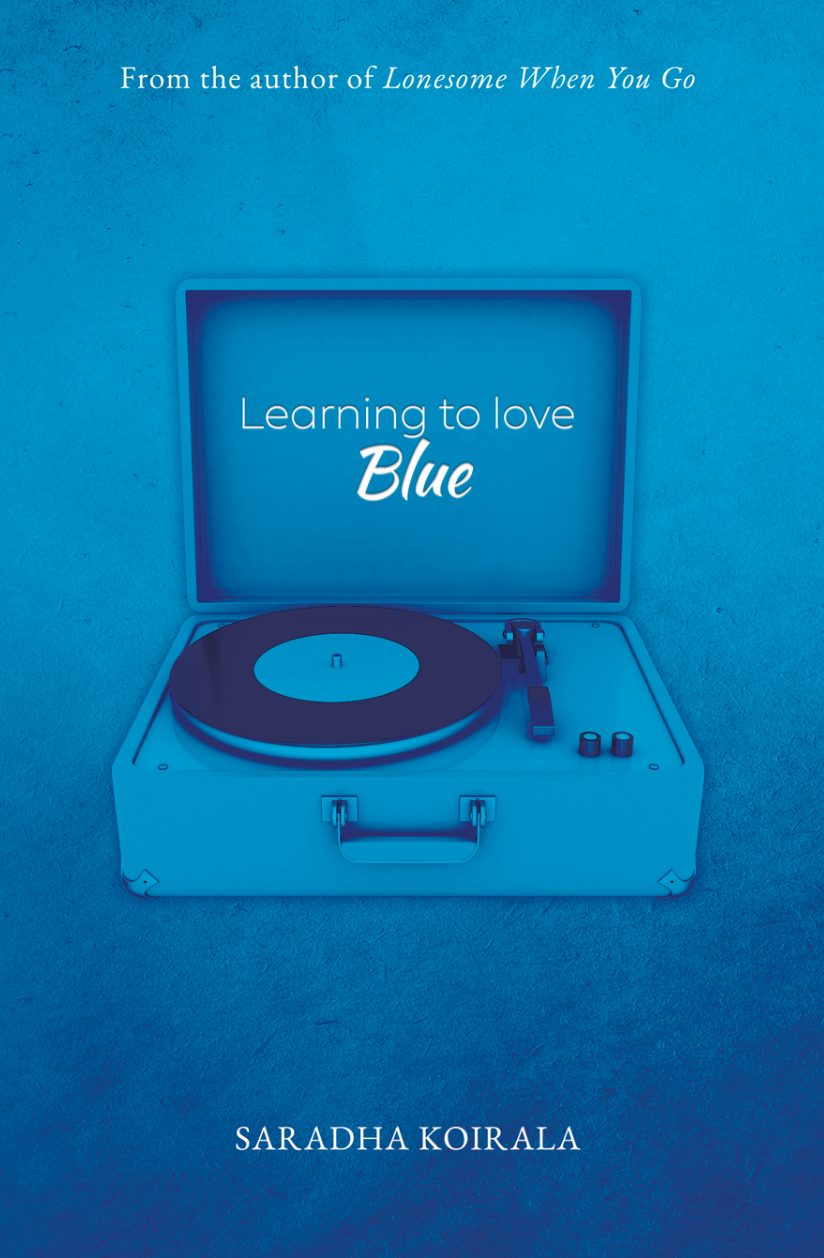
I decided to self-publish Learning to love Blue as it’s the sequel to my debut YA novel Lonesome When You Go and was proving tricky to find a home for. I was also curious about the self-publishing process.
Thanks to some very supportive Facebook groups and an inheritance from my grandparents, I was able to figure out an approach that seemed, well, approachable. I chose to use Ingramspark’s print on demand service, and set up the imprint Record Press
I was interviewed by my self(publisher) over on Medium – have a read!
11 Tracks from Learning to Love Blue
1.
Taylor brings me a drink and then takes a guitar off someone mid-strum. He starts playing out a familiar riff – The Strokes’ ‘Someday’ and soon we’re all singing it together, tapping out accompanying beats. I wonder if it’s like this here every night.
2.
Why didn’t I just go back to sleep and catch the tram to work in the morning like a civilised normal person? I’ve slept on couches before. I could have handled it.
I start humming ‘Don’t Think Twice, It’s All Right’ to myself, walking along my own road, taking comfort in the ‘it’s all right’ part. It’s also the best song about moving on ever written.
3.
I’m humming, and it takes a few minutes to recognise the tune as one off Blue. The one about a flight, set to a frenetic beat that I tap out anxiously on the armrest. I watch the animation of the plane creeping to the edge of the Tasman Sea, closer towards Wellington. The familiar shape of New Zealand on the screen gives me a strange surge of patriotic comfort.
4.
As I park my bike and lock it to the railing, I hear a busker outside the shopping centre. He’s playing The Smiths, ‘There Is a Light That Never Goes Out’– one of the darkest and yet most optimistic songs ever. I walk closer and realise that not only are the lyrics familiar, but the voice is too. It’s Taylor.
5.
‘Bridge Over Troubled Water’ is blaring out of Lou’s room. She’s been playing Simon and Garfunkel all day and I have reached my absolute limit.
I storm through her door.
She’s sitting cross-legged on her bed with her eyes closed and the most blissed-out expression on her face. Is she meditating? With this racket going on? She seems to sense my presence and holds up a hand to silence my not-yet-uttered protest. Then, as if conducting me, she moves her hand in a welcoming gesture, drawing me into the room and pointing to the seat next to her. There’s half a beat’s pause in the song and then the next verse starts, the crescendo rising again. There’s no use trying to speak, so I sit and close my eyes with Lou, let the song fill me. God, I hate Simon and Garfunkel.
6.
Lou flips through some CDs and puts one in her chunky old Sony stereo.
‘I love that you have a CD collection,’ I tell her, my voice calming.
‘I love CDs. They’re so old school. Listen to this.’ She hits play and something familiar, yet strange and synthy starts playing.
‘What is this? Is that an accordion?’ Drums burst out like controlled explosions.
‘This is “The Boy In the Bubble”, from Paul Simon’s Graceland. This is his best solo album.’
His choir boy voice has changed into something stronger, and there’s a sense of urgency and an optimism in the rising major shifts.
‘After he split with Art Garfunkel, his career was dwindling and he got very depressed, but then he had a stroke of genius in the mid-80s and wrote this album in South Africa. It’s my number one top favourite album of all time,’ Lou says.
I raise my eyebrows at her. ‘Really?’
7.
I pull out Blue. ‘Now this is one I’m still learning to love,’ I say as I slide the vinyl out of the sleeve and place it gently on the turntable. ‘Last year when my mum came to visit, she gave me this album. It’s her favourite. Dad must have said something about me liking records, but I was surprised she liked something so folky. She says it’s poetry.’
I set the needle down and ‘All I Want’ jangles out with the determined, sweet, melancholic first chords.
8.
‘Too cheesy?’ I ask.
‘Just cheesy enough. Where is he? He should be throwing himself into your arms after that.’
I bend down to retrieve my scarf. ‘I don’t know.’
‘Ah,’ Caz’s tone changes.
‘What?’
‘It’s like a Pixies song,’ she says, nodding towards something behind me.
I turn and there he is. Caz pats my shoulder and slips away.
He’s gorgeous, a dimply smile twinkling like the fairy lights. ‘Paige …’ he starts.
9.
I’m on the brink of pulling out of the Alanis tribute show when I turn up to work and Jagged Little Pill is playing.
‘Who put this on?’ I ask, before I even greet anyone.
‘It’s on random,’ Caz winks at me.
‘No it’s not. And this would never be on a Vinyl playlist anyway. It’s nowhere near Triple-J enough for us.’ It cheered me up a bit though. Caz starts singing along to the chorus of ‘You Learn’ rather melodramatically. I laugh and join in.
10.
I’m listening to Blue and tapping on my phone when Spike appears in my bedroom doorway.
‘Is this Joni Mitchell?’ He puts down his guitar case and lies next to me on my bed.
‘Yeah, ‘My Old Man’. One of my favourites.’
11.
We’re pretty messy and I don’t blame the passers-by for passing on by, but it’s so much fun. We run through our living room repertoire: Dylan, Nirvana, our Alanis song. I try the opening chords of Joni’s ‘All I Want’, but give up. That one’s going to need more practice. We sing our way through Ryan Adams’ ‘To Be Young’ – Spike loses it trying to do falsetto in the bridge and I get the lyrics all mixed up.
Learning to Love Blue is available 31st July 2021
Waking life
Each night in the new house I farewell former lives
through broken sleep dreams.
Spot a high school crush, now mid-forties
soft about the jaw, the soft hue of his roots.
Old partners with mail they’d neglected to redirect
challenge me to a game in the penny arcade.
Night after night the past appears
asking if I’m sure, and I’m sure
I wake to my baby again and again
fall asleep to reply
I choose the life I wake to
I wake to this life and I choose it
again and again and again.
Alt-Rock’s Demise
This piece was originally written in 2016, following the release of my first novel, Lonesome When You Go (Mākaro Press, 2016), hence some out of date references to “popular” music.
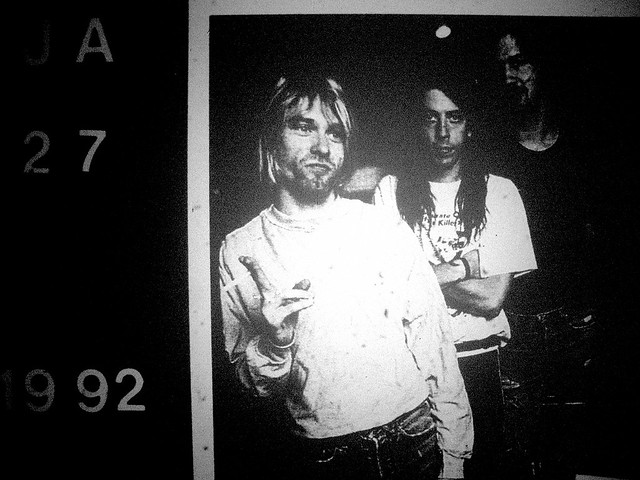
Ed reckons Nirvana epitomised the peak of teenage angst, and the relevance of music to our collective consciousness has been going steadily downhill ever since.
Ed might be the fictional teenage drummer in my novel Lonesome When You Go, but he’s voicing a widely held opinion. Grunge died around 1996, taking the ‘alt’ of alt-rock with it and leaving us with highly processed, watered-down pop-rock – much like the brightly coloured ‘alcopops’ of the late 90s that distracted us with their pretty bottles but did nothing to validate our true teenage feelings.
The years between the release of Nirvana’s Nevermind and Kurt Cobain’s death have often been described as the height of authentic alternative rock. Earlier this month Sean O’Neal at the AV Club wrote “The faux-graffitied writing had been on the wall for alternative rock’s attenuation into corporate-engineered dross since approximately two weeks after Kurt Cobain’s suicide, right around the time Live’s Throwing Copper was released.”
Cue vivid flashback to the most popular, mainstream, best-grades-and-hair-award-winning girl at my school proudly wearing her orange ‘Live’ t-shirt tucked into her brand new Levis. A completely puzzling image to me at the time in my op-shop altered clothes and wearing-thin Converses. Alternative rock was no longer the alternative, but thank god the 90s gave us what they did.
Rolling Stone has a terrible list of the 100 best albums of the 90s.
It’s probably about 75 albums too long and although the top ten includes six alt-rock bands and only two albums released after 1996, it glaringly omits Radiohead’s The Bends and Smashing Pumpkins’ Mellon Collie and the Infinite Sadness, both from 1995. I was fifteen that year and am forever grateful for such perfect life-timing. If ever there was someone to take on the burden of voicing the complexities of teenage emotions for our entire generation, in the wake of Cobain’s passing, Billy Corgan was it. An unlikely hero by today’s standards, but a genuine one whose music burst straight from his own hurt soul to ours, making us realise we felt things, the names for which we had never known before.
Maybe one would argue that this new generation of teenagers have different emotions. Perhaps they don’t feel deep inexplicable sorrow or pure anger at the structure of society, and Ed Sheeran stating that falling in love is mysterious is just as meaningful to them as Corgan’s lyrics were to us. Or perhaps hearing over and over that Bruno Mars’ girlfriend’s face is amazing just the way it is is somehow empowering. But current teenage mental health is unfortunately not in good shape and Miley’s limited emotional vocabulary that reduces people and feelings to wrecking balls and Taylor Swift telling us just to “shake it off” can’t be helping. Emotions and love are much more deeply complex than that and 90s alt-rock allowed us to own those feelings and sit with them. On shuffle and repeat.
Music has always been hugely important to teenage culture and therefore holds a position of great power and responsibility. It’s not the teenagers’ fault it’s been doing a lazy job of connecting with them these last 20 years.
It’s not just the fault of the lyricists either. The need for rock music to speak an emotional truth to a generation appears to be woefully low on the musical agenda while production value and the dollar are high. Current music software is incredible and anyone with a laptop and a few hundred bucks to spare can set up a home studio. But the slick polished sound is a far cry from an authentic human voice, taking musicians yet another step away from their audiences’ hearts.
Back to the 90s and commercialism was already starting to break down the entire point of alternative rock before it had time to fully draw breath.
Some argue alternative music was doomed the moment it arrived. Like a baby born on the moon, emerging into a toxic context of an industry fundamentally devoted to the corporate dollar. Anger in the face of this brought us some of the best music we will ever hear, but the cage of capitalism was firmly locking in the passion and creative rage of not just Billy Corgan’s “rat”, but the whole spirit of the 1990s. A teen culture that was based on values of op-shopping and resisting the system, we were embracing feelings of hopelessness and frustration and sharing these through distortion pedals and low-slung guitar straps.
There’s much discussion about music in Lonesome When You Go – mostly in the form of sharing loved songs, finding the right album to fit a character’s mood, buying CDs and being completely precious about how other people handle your vinyl. It’s about having pride in your musical taste; being able to hold forth at a party and gain credibility from strangers. In one scene main character Paige says, “Music totally reflects the culture and societal perception of a particular time so even if we can completely dig the sound, since we weren’t alive during its inception, we can never really hold claim to the ideology – you know?” She’s perhaps defending why alt and indie rock can now only be emulated – covered and coveted – but never again will it be as truly authentic, pained, beautifully messy, sorrowful and angry, as it was in those heady days of 1995.
Listen to the Lonesome When You Go playlist here.
Buy Lonesome When You Go from Mākaro Press here.
2018 Literary Highlights
‘Tis the season for highlights and reflections! In a busy year of school camps, public speaking competitions, parent interviews, marking, reporting writing and teaching, I managed to squeeze a few literary moments into my calendar. Here are some that stood out, including events, books and my own small endeavours.
Top 5 Events
1. Tim Winton on Toxic Masculinity
Promoting his latest book, The Shepherd’s Hut, Tim Winton spoke with his usual mix of humility, intelligence, heart and humour. I always enjoy hearing him speak and this topic felt especially relevant. Here’s my good friend Alex Bisley interviewing Tim for Macleans.
2. Neko Case at Melbourne Writers Festival
I enjoyed many events at MWF and finding them in strange and unfamiliar corners of the city was fun too. I heard Neko Case first as part of a panel on the texts that influenced panel members’ feminism, then saw her again solo at ACMI. I’ve been a fan of her music for a long time and always love hearing artists talk about their craft. Neko’s latest album is Hell-On.
3. First Chapters Series at Brunswick Bound
I feel so lucky to have this amazing bookstore just around the corner (and down the road a bit) from my house. In this series, the store celebrates the work of local authors on the first Friday of each month, by inviting them to read a chapter from their work and engage in a Q&A afterwards. Highly recommended, and more information here.
4. Launch of Close to Home by Alice Pung
Another wonderful event from Brunswick Bound. Alice’s new collection of essays was launched by amazing Helen Garner and is such an insightful and engaging collection. I enjoyed chatting to Alice afterwards and she assured me her young adult novel, Laurinda is NOT based on the school I teach at, despite the suspiciously similar names. If you don’t know Alice’s work, definitely check it out!
5. Melbourne Writers’ Group Anthology Launch
The Melbourne Writers’ Group know how to throw a party! I was so proud of my friends who worked so hard to launch this book as writers and editors, readers, speakers and book sellers. This is their third anthology and they keep getting better. Find out more about the Melbourne Writers’ Group and come along to the weekly social nights and writing times here!
Top 5 Books
1. Night Sky with Exit Wounds, Ocean Vuong
This is such a beautifully crafted collection, where poems shift form and are experienced through all senses. I was totally captivated by it. You can read ‘On Earth We’re Briefly Gorgeous’ here.
2. The Shepherd’s Hut, Tim Winton
I never miss a chance to remind you all how much I love Tim Winton’s writing. In fact I’ve already mentioned this book here.
3. There but for the, Ali Smith
I’ve read so many good books this year, but this one stands out as it stuck with me: the quirky conversations and lack of resolution. Ali Smith might not be for everyone, but I think she’s a master of dialogue, voice, structure. I trust her completely and enjoy being taken for the ride. Here she is talking about the power of the novel.
4. Solar Bones, Mike McCormack
This was a startling book. Written in one gasping breath without a single full-stop, I suspect I read it with my mouth open. The style might seem gimmicky, but it’s completely in fitting with the theme and plot and works surprisingly well. Stream of consciousness is not technically correct for this book … anyway, it won Mike McCormack the International Dublin Literary Award.
5. Take Three Girls, Cath Crowley, Fiona Wood, Simmone Howell
A shout out to the many young adult novels I read this year. This one stood out as it had three strong and distinct female characters who work together to fight the system. Very cleverly and convincingly created by three awesome Australian writers.
Top 5 Writer Moments
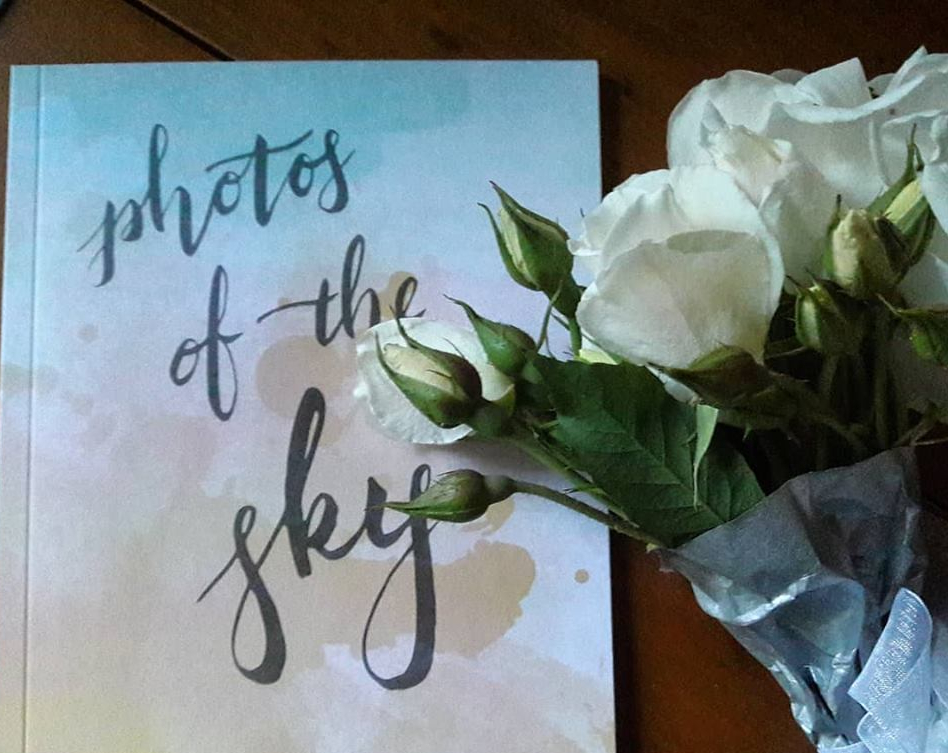
1. Photos of the Sky launch week
Obviously launching my third poetry book and spending a week reading it to small crowds of people was the highlight of my own writerly year. I was thrilled that Tim Jones was able to launch the book, and greatly enjoyed reading at Unity Books with Nicola Easthope and again at Volume in Nelson. There’s even a lovely review of Photos of the sky by Sarah Lin Wilson here.
2. Girls on Key Open Mic
When Nicola Easthope and I knew we were going to be reading together in Wellington, we made sure to meet in Melbourne first! Luckily, Nicola was on her way to the Tasmanian Poetry Festival, so we had the chance to catch up, meet with the lovely Jennifer Compton and read poetry together at an open mic night. Girls on Key is a monthly event hosted by Open Studio.
3. Bonsai: Best Small Stories from Aotearoa New Zealand
I was unable to attend any of the launches for this, but I loved being included in the anthology. There’s a new poem from Photos of the Sky in there and an old one from Wit of the Staircase. The anthology is edited by Michelle Elvy, Frankie McMillan and James Norcliffe.
4. BBC Culture: The 100 stories that shaped the world
There’s something pleasing about adding my top 5 into my top 5 and something even more satisfying about being quoted in the BBC. I admit there are many names on this list, but being asked to contribute was a nice writerly moment for me.
5. Teaching and Writing balance
I still haven’t nailed it 100%, but this has been an excellent year for me in terms of balancing my teaching and writing life. I am so lucky to work at a school that supports me with a day off each week, constant queries about how the writing’s going (!), acknowledgement of my achievements and actual promo from the marketing team. Watch this space for more news from my school, but in the meantime here’s a small fun, thoughtful, creative corner of the school I’ve enjoyed helping create.
Ubud
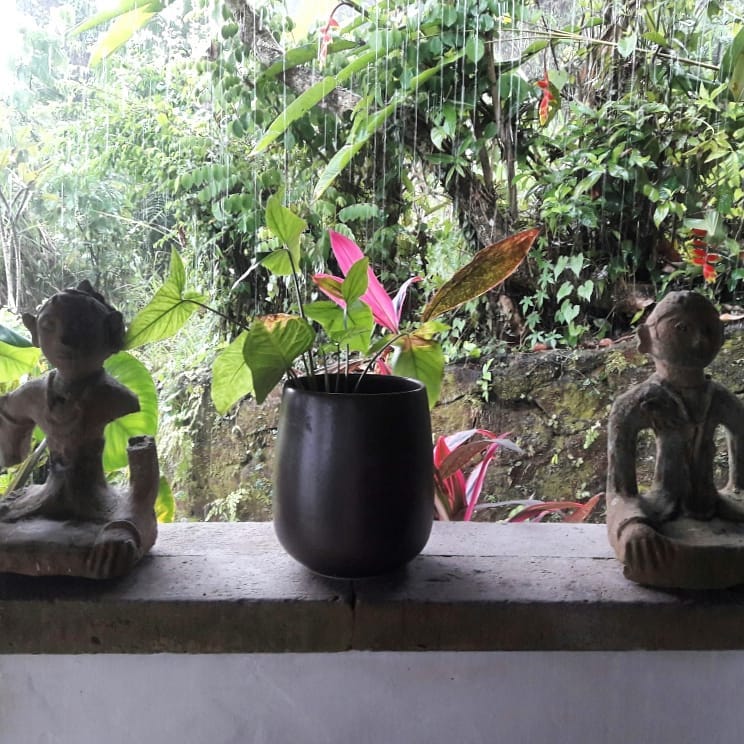
A hummingbird the size of a large bumble bee hovers through bougainvillea. We watch from the pool’s edge. In the same day, my legs turn brown and my new cat-shaped two-piece leaves cat-shaped tan lines on my chest.
We’re trying out all the recommended eating spots: tofu curries, too much tempeh, supplemented with bags of chips and unfamiliar biscuits from convenience stores dotted down the main road. Our villa feels far from that traffic as we spend hours in the hammock or on day beds, under the mosquito net or by the pool, reading, snoozing, swimming with a view of improbable jungle.
The river lulls us further into laziness with its white noise rapids, or ferries squealing tourists in red rafts through the valley. It’s 30 degrees until it’s not. A complete downpour in straight lines brightens already lush greenery, highlights crimson bougainvillea, red birds of paradise, frangipani in yellow and pink clustered on leafless branches.
The river rises then, villas across the valley obscured in mist. Fat drops fall until the clouds are empty, drip musically from the edges of the thatched roof. Fallen logs of bamboo gather at the river’s sharpest bend and the sun’s revealed again just in time to set pink behind palm tops and gold.
Situational Awareness
What were you doing alone in a park at night?
with your violent thoughts twisting into violent acts
the way fear morphs as the streetlights disappear behind you.
What were you thinking dressed like that in the dark?
grey hoody hiding your face
disguising your dangerous form as a shapeless blur of nothing.
Were you never taught to stay in the light where we can see you?
or to call a friend if you felt that surging
desire to hurt someone, take something you had no right to touch.
When tree-like shadows cast across your mind
did you not know to clench a fist
around your car keys as a reminder of strength
reminder you’re a threat. Keep your distance.
This park is no place for you
lit candles erase darkness and the silence is on our side now.
From this muddy soccer field springs a shrine of flowers
laid by everyone who’s ever said
be safe, let me know when you’ve made it home.
Stories that shaped the world
BBC Culture has just published a list of The 100 Stories that Shaped the World from international writers’ contributions. I was stoked to be one of the contributors! Check out the whole list at BBC Culture and read about my top 5 here:
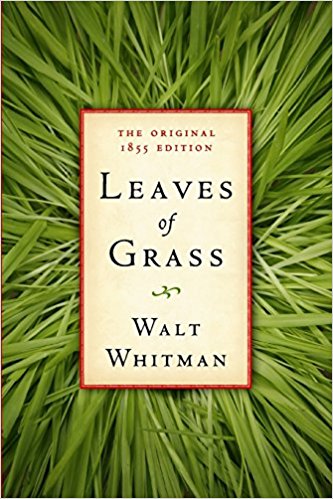 Song of Myself (Walt Whitman) and, indeed, Leaves of Grass as a collection, reads like a Humanist manifesto that celebrates a love of land, freedom, self and the connections between these. Whitman embodies a universal and omnipotent “I” into which readers can place themselves and have done over generations. It’s very much an epic poem, but plays with structure and language, the long lines moving with the breath, and surprising, explicit imagery. The shift away from traditional spiritual reflection – rumination on the connections between nature, God and the human mind – marks an important change in how we view the body and physical world. The many references to Song of Myself in pop and high culture over the years are testament to its potency, endurance and relevance. (number 87!)
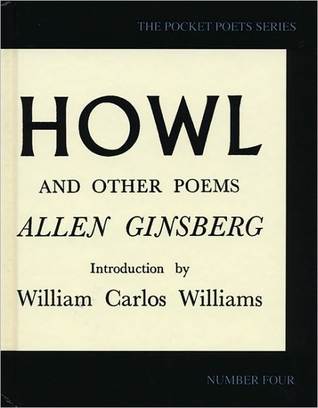 Howl (Allen Ginsberg) marked a cultural shift, not just in literature (although this is hugely significant), but also in the way people view literature and art as something powerful and dangerous. The poem spoke to a group of marginalised writers and musicians and challenged the expectations of language and ‘high art’. Post-WWII when people were feeling either a strong desire to settle into familiar comforts and gender stereotypes, or anger at the establishment, Howl opened a gate for freedom of expression and allowed discussion, anger, excitement and all kinds of love out into mainstream society, subverting and questioning the norms. The Howl Obscenity Trial (1957) sent a message to the world about just how powerful language can be and the idea that a poem could incite legal action is thrilling. (number 53!)
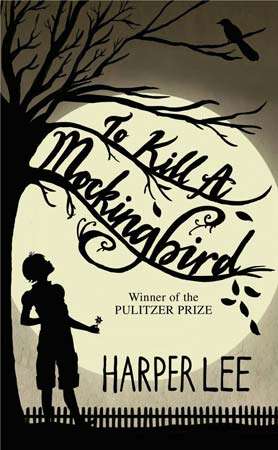 To Kill a Mockingbird (Harper Lee) has been read and studied year after year in high schools and today, nearly 60 years after its publication, it’s still a deeply loved book by people of all ages. The links to American history and race relations are both specific to the Deep South in the 1930s and hugely relevant to today’s society. The themes of prejudice and empathy are quoted and referred to time and again to highlight aspects of our own society that need examining. To Kill a Mockingbird documents important historical ideologies that must never be forgotten as well as asking us to examine the way we treat all members of our communities. (number 27!)
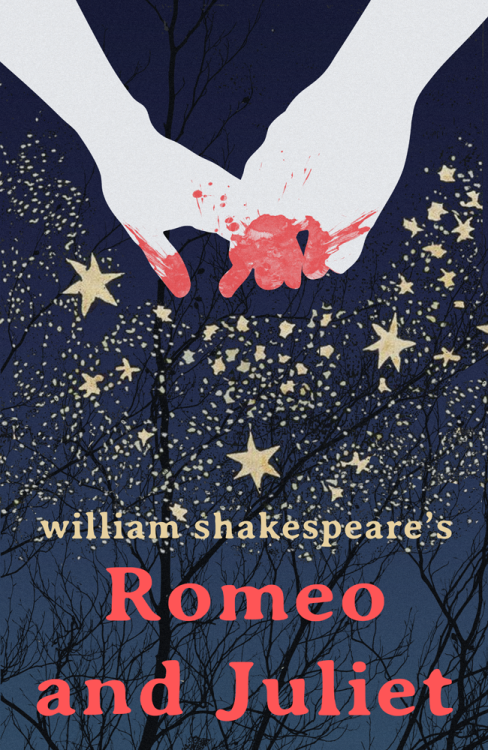 Romeo and Juliet (William Shakespeare) is considered a deeply romantic play, but there is less to learn about love here than there is to learn about the petty differences that keep factions of communities separated. The tragedy is in the secrecy of the love between Romeo and Juliet and it’s a constant reminder to always questions our prejudices, whether they be newly formed or ancient grudges. This play has also been studied and read in classrooms for generations, influencing the way people view human behaviour and highlighting those aspects which are centuries old; deeply engrained notions of love at first sight and the lengths some will go to. Of course, Shakespeare has also influenced literature and pop culture in more ways than we can count. (number 13!)
 The Handmaid’s Tale (Margaret Atwood), a powerful cautionary tale, has never felt more relevant. Ideas around the treatment of women and the dystopian society created are perhaps extreme, but feel like a plausible future for societies where women are continually being marginalised and their bodies legislated. The novel is a harsh indictment of gender stereotyping and patriarchal societies, reminding us how important it is to empower women to be agents of their own destinies and not allow their voices to be silenced. People have turned to Atwood’s horrifying view of the future time and again when reflecting on the current status of women in society. (number 16!)
 Saradha Koirala