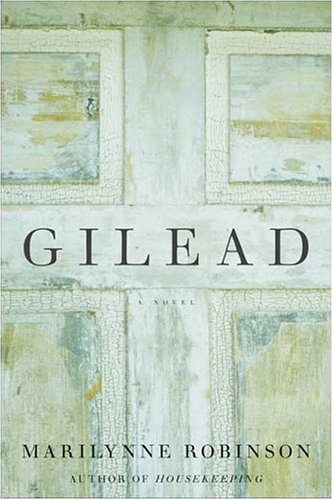
 The tone and voice of this book are particularly compelling. Written as an extended letter from a dying father to his son, the meditative style draws the reader in to glimpses of everyday family interactions and the deep and complicated history of the characters’ lives.
Reverend John Ames, narrating from his home in Gilead, links the generations of Ames men through descriptions of their shared vocation and differing understandings of theology. There are certain things he wants his son to know and remember, but also stories that evolve and ramble in a convincingly reminiscent way, all the while with a hint of mystery unfolding.
I loved the father and son relationships in this book and how complicated they became. John Ames Boughton (Jack) is the son of Ames’ best friend, but named as if his own son. His arrival back in town brings out a conflict in Ames, who feels responsible for yet greatly wary of the younger man. He’s clearly hiding something and Ames senses he should be warning his own family of him before he passes on.
The young child to whom the letter is addressed appears in snippets of daily childhood life, playing with his friend Tobias while his father speculates and longs to know about the man he will grow into.
Ideas of faith in this book run deep but somehow gently, as Ames grounds his thoughts in reality and ponders very human questions of life, death and love:
…nothing had prepared me to find myself thinking day and night about a complete stranger, a woman much too young, probably a married woman – that was the first time in my life I ever felt I could be snatched out of my character, my calling, my reputation, as if they could just fall away like a dry husk. I had never felt before that everything I thought I was amounted to the clothes on my back and the books on my shelves and the calendar I kept full of obligations waiting and obligations fulfilled. As I have said, it was a foretaste of death, at least of dying. And why should that seem strange? ‘Passion’ is the word we use, after all.
 Saradha Koirala